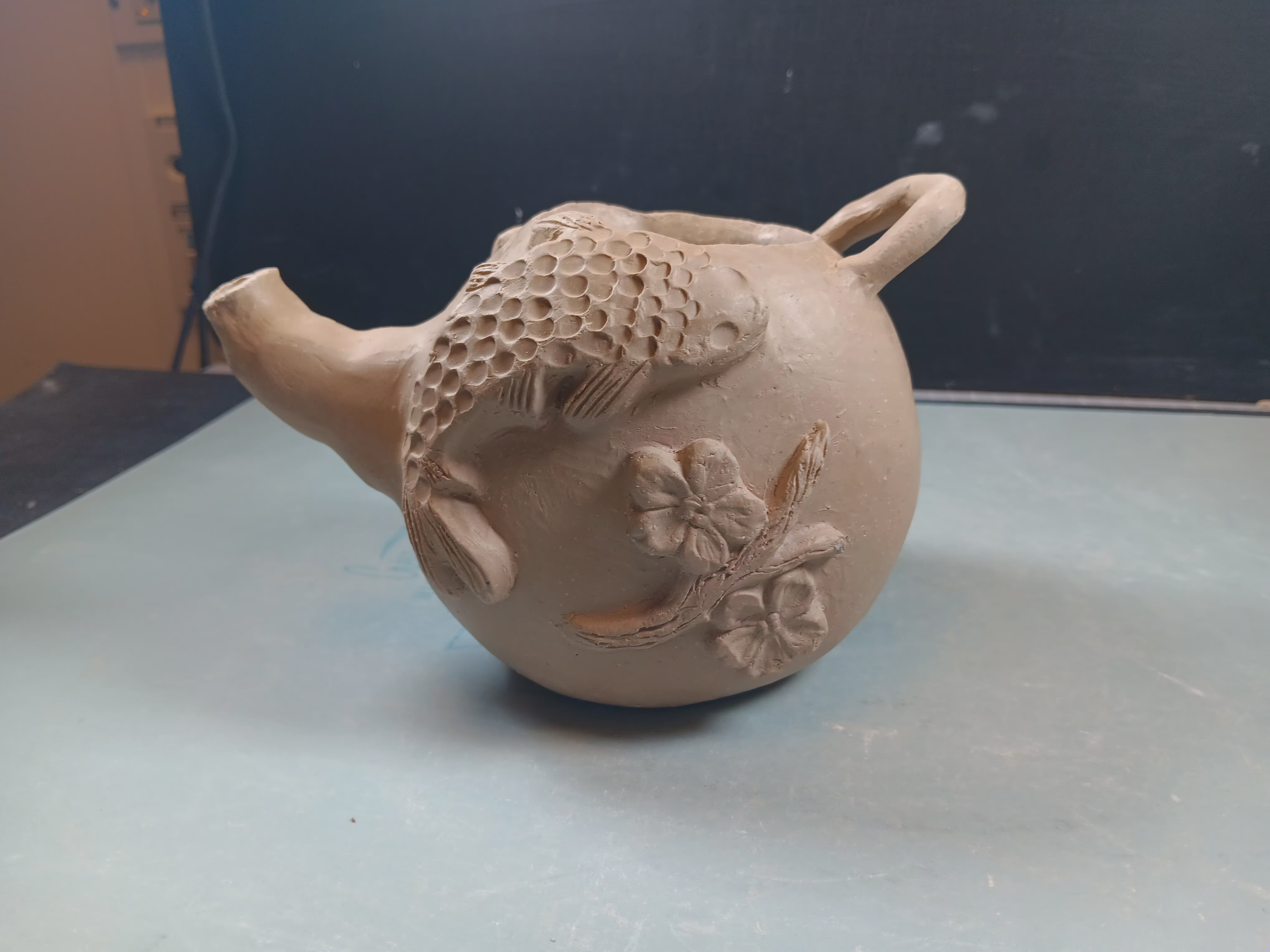
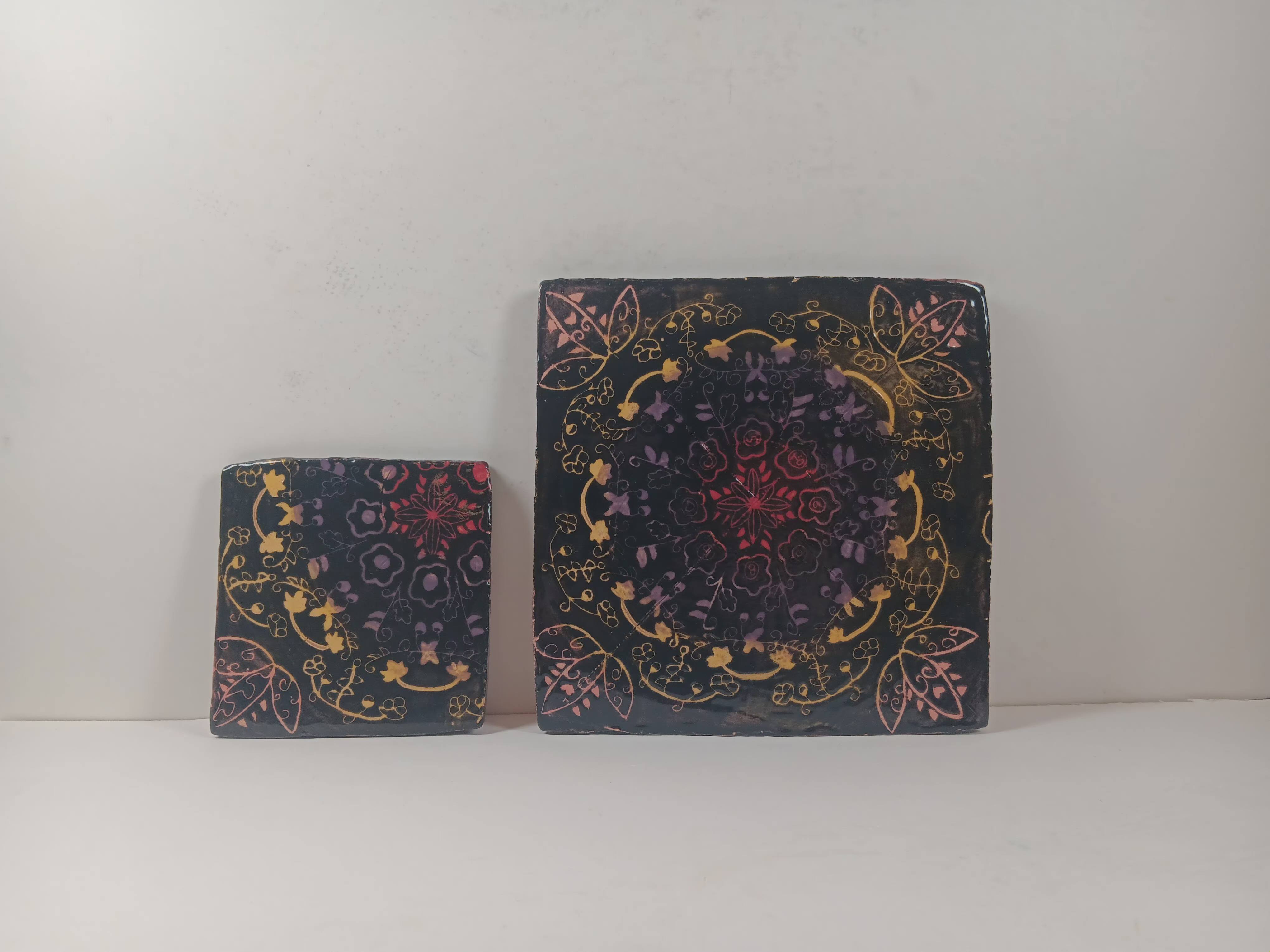
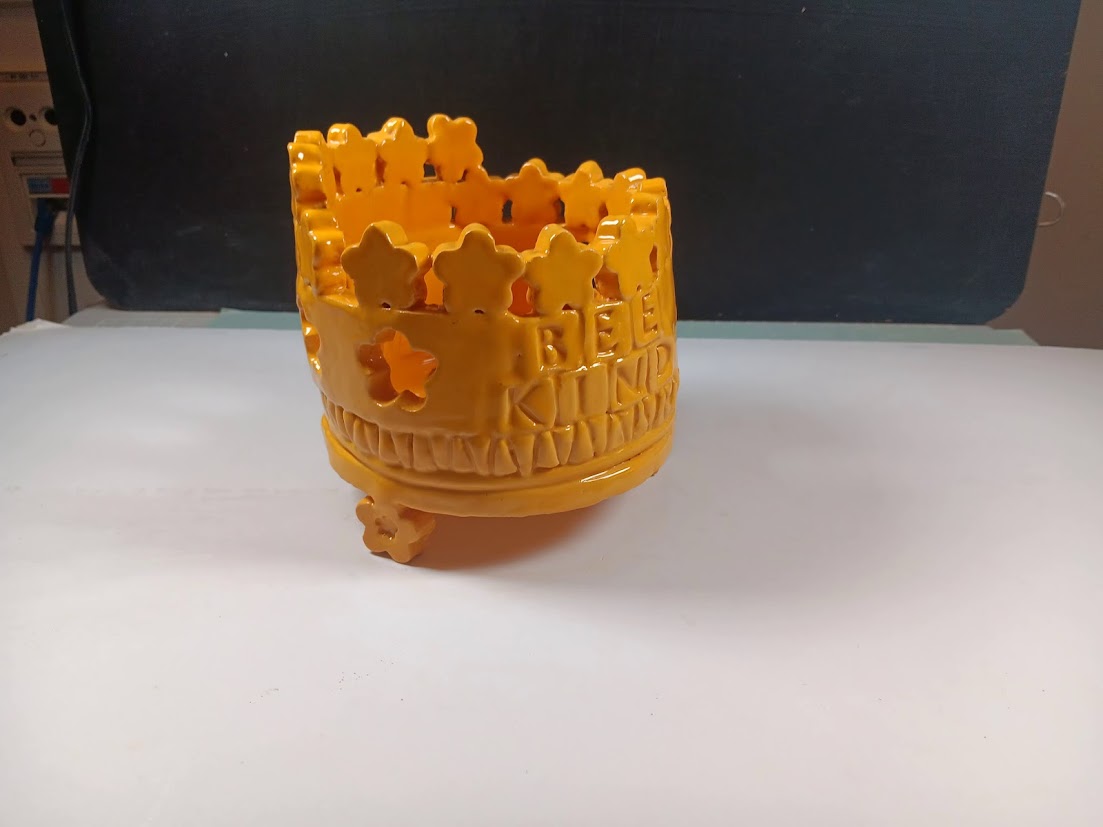
Ceramics is one of the oldest and most versatile forms of human artistic and functional expression. Rooted in ancient cultures around the world, ceramics involve the shaping and firing of natural materials—primarily clay—into durable objects. These objects range from utilitarian items like bowls, plates, and storage jars to elaborate sculptures and intricate decorative pieces. The ceramic process typically includes forming the clay, drying it to remove moisture, and firing it in a kiln at high temperatures, which permanently hardens the material. Glazing can be added before the final firing to create colorful, glossy surfaces or to make the item waterproof. There are various techniques used in ceramics, such as hand-building (including pinch, coil, and slab methods), wheel throwing, and slip casting. Each technique offers unique aesthetic and structural possibilities. Ceramics is not only about utility but also about creativity and cultural expression, reflecting the values, beliefs, and aesthetics of different societies throughout history. Today, it continues to evolve as both an art form and a science, embraced by hobbyists, designers, and artists alike. Whether used in everyday life or displayed in galleries, ceramics remains a dynamic and enduring medium that bridges the worlds of art, craft, and industry.